48 V lithium solar batteries for Kenya
51.2 V LiFePO4 batteries for 48 V solar inverters, from the popular 5 kWh size up to 16 kWh in one unit. Wall, rack or stack, and easy to add to later.
What we keep in mind for Kenyan installs
Start at 5 kWh, add later
Most of our 5 kWh units run up to 15 in parallel, so a customer can start with one and add a second for 10 kWh.
Wall, rack or stack
Wall-mounted KNY 51100 and ES-LV-5, ZC-L rack modules, or ZC-S modules stacked under their own 5 kW inverter.
Documents for PVoC
We send the datasheets and the CE, UN38.3 and MSDS documents your KEBS PVoC partner asks for.
Which battery for which inverter?
Swipe sideways to see all columns →
| Inverter | Battery current at full load | What we suggest |
|---|---|---|
| 3 kW | 62 A | One 10 kWh unit (100 A recommended), or two 5 kWh units in parallel |
| 5 kW | 103 A | One 10, 15 or 16 kWh unit runs at about its recommended 100 A; add a second unit for long full-power use |
| 6–8 kW | 123–164 A | One 16 or 20 kWh unit (200 A max), or two 10 kWh units if it runs near full power for hours |
Rule of thumb: about 20 A of battery current per kW of inverter output at 51.2 V, allowing for about 95% inverter efficiency. 5 kWh units are rated 50–70 A recommended and 100 A maximum; our 10–20 kWh units 100 A recommended and 200 A maximum. Check the kW rating on the inverter label: a KVA figure is often a little higher than the real output. Runtime is a separate question; see the capacity pages.
Compare by capacity
5 models compared side by side
Compare 5 kWh batteries → 10 kWh 51.2 V · 200 Ah · 10.24 kWh4 models compared side by side
Compare 10 kWh batteries → 16 kWh 51.2 V · 314 Ah · 16.08 kWh14 models compared side by side
Compare 16 kWh batteries → 20 kWh 51.2 V · 400 Ah · 20.48 kWh4 models compared side by side
Compare 20 kWh batteries →Models to start with
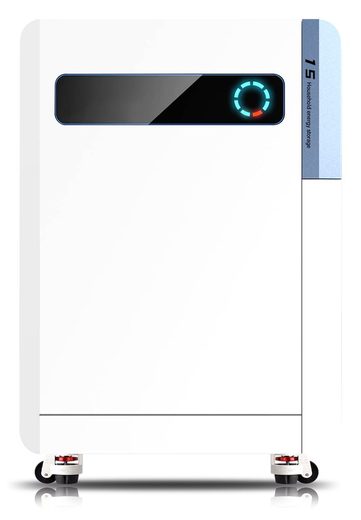
KNY 51 series
Four capacities in one family: a 5 kWh wall unit and 10, 15 and 16 kWh floor units, all IP65.
View specifications →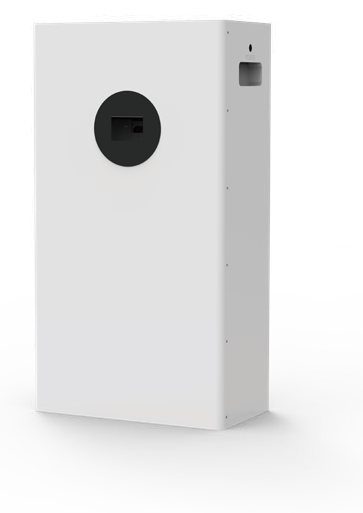
ES-LV PLUS series
European-style cabinets for wall or floor, with touch screen, Bluetooth and WiFi. Listed with IEC 62619.
View specifications →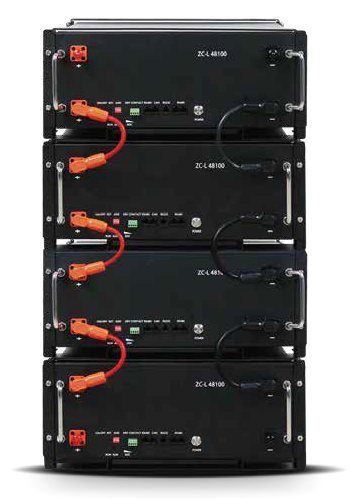
ZC-L 51100 / 48100
100 Ah rack modules in 51.2 V or 48 V, for standard battery racks and cabinets.
View specifications →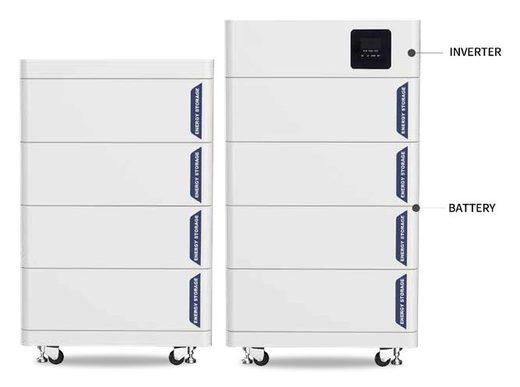
ZC-S 51100 + KNY5000
Inverter on top, battery modules below. Add 5.12 kWh at a time as the household grows.
View specifications →Importing into Kenya
- KEBS PVoC
- Energy and power products, including solar equipment and batteries, are regulated under the KEBS Pre-Export Verification of Conformity programme. Each shipment needs a Certificate of Conformity from a KEBS partner, such as SGS or TÜV Rheinland, before it leaves China.
- Shipping
- LiFePO4 batteries go by sea as Class 9 dangerous goods, with the UN38.3 test summary and MSDS, to Mombasa.
- Your documents
- Commercial invoice, packing list, datasheets and the CE, UN38.3 and MSDS documents listed for each model.
Import rules change. Your clearing agent has the final word on what each shipment needs.
5 kWh or 10 kWh?
A 5 kWh battery runs essentials such as lights, a fridge, Wi-Fi and a TV (about 300 W) for roughly 13 hours. For a fridge, several rooms and a water pump through a long blackout, 10 kWh is the better start: one 10 kWh unit or two 5 kWh units in parallel.
Can I add batteries later?
Yes. KNY 51100, ES-LV-5, ZC-L 51100 and AU51120 run up to 15 units in parallel. ZC-S modules stack up to four under one KNY5000 inverter, for 20.48 kWh.
Do you supply PVoC documents?
The Certificate of Conformity is issued by a KEBS PVoC partner such as SGS or TÜV Rheinland. We send the datasheets and the test reports we hold (CE, UN38.3, MSDS) that they ask for before shipment.
Will it work with my inverter?
Our 51.2 V batteries talk to inverters over CAN and RS485, and most models also have RS232. Send us the inverter brand and model and we check the communication protocol before you order.
How are the batteries shipped?
LiFePO4 batteries travel as Class 9 dangerous goods, with the UN38.3 test summary and MSDS. We ship by sea from China to your port, from sample orders to full containers.
Get a quote for Kenya
Tell us the inverter size, the capacity your customers ask for and the quantity. We reply with a matched model, datasheet and price.