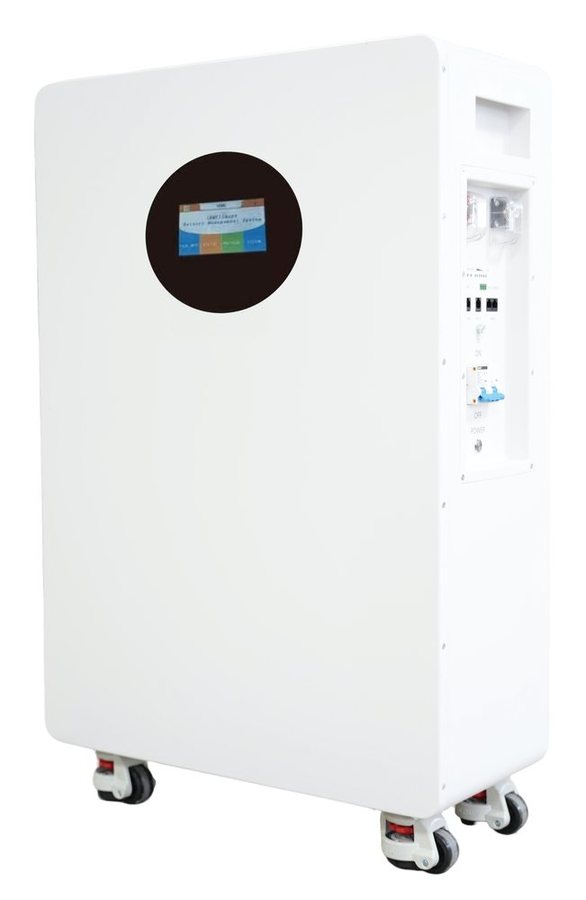
20 kWh batteries for whole-home storage
Whole-home capacity in one cabinet: ES-LV-20 at 51.2 V 400 Ah and the IP65 Hess-20, plus a four-module ZC-S stack and a high-voltage option for HV inverters.
Every 20 kWh model side by side
Swipe sideways to see all columns →
| Model | Energy | Installation | Size (mm) | IP | Max. current | Cycles* | Extras | Documents |
|---|---|---|---|---|---|---|---|---|
| ES-LV-20 | 20.48 kWh 400 Ah | Floor-standing, on wheels | 880 × 630 × 255 | IP20 | 200 A | 6,000 | Touch screen, Bluetooth + WiFi, built-in fire extinguisher | CE · MSDS · UN38.3 |
| Hess-20 | 20.07 kWh 392 Ah | Floor-standing | 830 × 600 × 275 | IP65 | 200 A | 6,000 | Up to 16 units in parallel | CE · MSDS · UN38.3 |
| ZC-S 51100 × 4 | 20.48 kWh 4 × 100 Ah | Stacked under KNY5000 inverter | 440 × 600 × 1100 | IP20 | 100 A / module | 6,000 | Matching 5 kW hybrid inverter | CE · MSDS · UN38.3 |
| KNY-HV102100 | 20.48 kWh 2 modules, 204.8 V | High-voltage stack | 700 × 500 × 610 | IP65 | 100 A | 6,000 | For HV hybrid inverters; up to 6 modules (61.44 kWh) | CE · MSDS · UN38.3 |
* Cycle life at 80% depth of discharge (25 °C where stated). All 51.2 V models use CAN and RS485 to talk to the inverter. Data from the 2026 product catalogue; we confirm the current datasheet with every quotation. “Ask us” means the catalogue does not state it.
Who a 20 kWh battery suits
20 kWh suits large homes, small shops and off-grid properties that run heavier loads through the night. One 20 kWh cabinet replaces two 10 kWh units, with one BMS and fewer cables.
If the inverter is high-voltage, KNY-HV102100 starts at 20.48 kWh with two 102.4 V modules and grows to 61.44 kWh with six.
How long does 20.48 kWh last?
| Average load | Example | About |
|---|---|---|
| 300 W | Fridge, lights, Wi-Fi and TV | 54.6 hours |
| 1,000 W | An example evening load at home | 16.4 hours |
| 2,000 W | With one air conditioner or a water pump | 8.2 hours |
A rough guide: 16.4 kWh used (80% of 20.48 kWh), before inverter losses. Real runtime depends on the inverter, the loads and the temperature.
Full specifications for each series
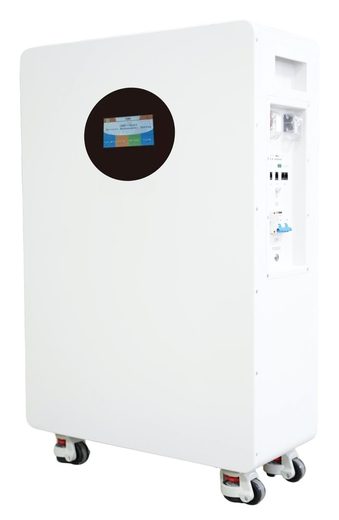
ES-LV-20
High-capacity 51.2 V cabinet on wheels for whole-home storage in a garage or utility room.
View specifications →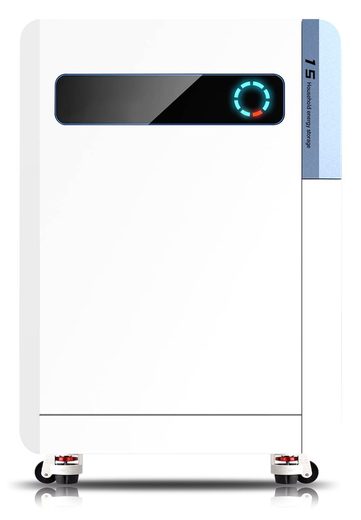
Hess-20
20 kWh floor-standing battery with an IP65 enclosure and up to 16 units in parallel.
View specifications →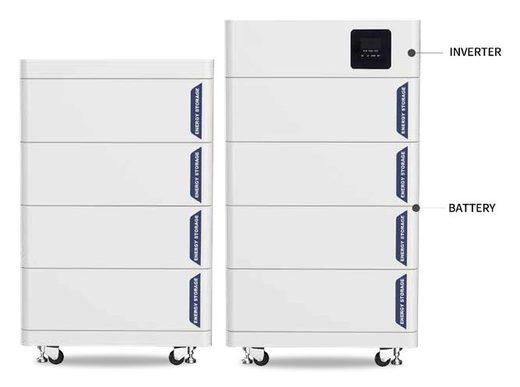
ZC-S 51100 + KNY5000
Inverter on top, battery modules below. Add 5.12 kWh at a time as the household grows.
View specifications →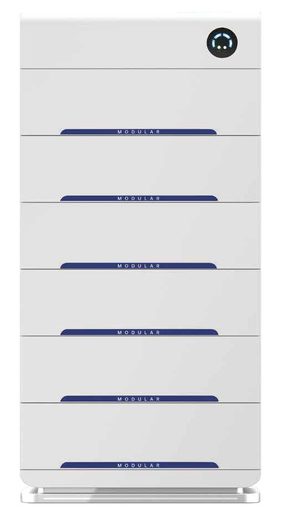
KNY-HV102100
Modular HV battery from 204.8 V to 614.4 V for high-voltage hybrid inverters and larger homes.
View specifications →20 kWh batteries: common questions
48 V or 51.2 V? A LiFePO4 cell is 3.2 V. Sixteen in series make 51.2 V, which is what most “48 V” lithium batteries are. They charge to 58.4 V at most and cut off at 44 V, which suits 48 V hybrid and off-grid inverters that support lithium batteries.
How many kWh is a 51.2 V 400 Ah battery?
51.2 V × 400 Ah = 20,480 Wh, or 20.48 kWh. At 80% depth of discharge, about 16.4 kWh is used in each cycle.
One 20 kWh battery or two 10 kWh?
One cabinet means one BMS, fewer cables and less floor space. Two 10 kWh units weigh less each (KNY 51200 is 101 kg; ES-LV-20 is about 167 kg) and can be bought one at a time.
Low-voltage or high-voltage?
ES-LV-20, Hess-20 and ZC-S are 51.2 V and work with 48 V inverters. KNY-HV102100 is for high-voltage hybrid inverters: two modules give 204.8 V and 20.48 kWh, and six give 614.4 V and 61.44 kWh.
Can it go in a garage or covered outdoor space?
Hess-20 and KNY-HV102100 are IP65, dust- and water-resistant. ES-LV-20 and ZC-S are IP20, for indoor rooms.
Will it work with my inverter?
Our 51.2 V batteries talk to inverters over CAN and RS485, and most models also have RS232. Send us the inverter brand and model and we check the communication protocol before you order.
How are the batteries shipped?
LiFePO4 batteries travel as Class 9 dangerous goods, with the UN38.3 test summary and MSDS. We ship by sea from China to your port, from sample orders to full containers.
Get a quote for 20 kWh batteries
Tell us your market, quantity and inverter brand. We recommend a model and reply with the datasheet, certificates and price.